Access Control, Cards & Fobs
Florence, KY sits at one of the busiest commercial crossroads in Northern Kentucky — with retail corridors along Mall Road, office parks near the Turfway Road interchange, and multi-tenant residential buildings spread across the city. Businesses and property managers here are increasingly replacing traditional keys with keycard, fob, and keypad entry systems that give them tighter control over who enters, when, and through which doors. Florence Locksmiths installs, programs, and services these systems on-site — our mobile technicians come directly to your location, no shop visit required.
Open 24 hours, 7 days a week · Licensed, bonded & insured
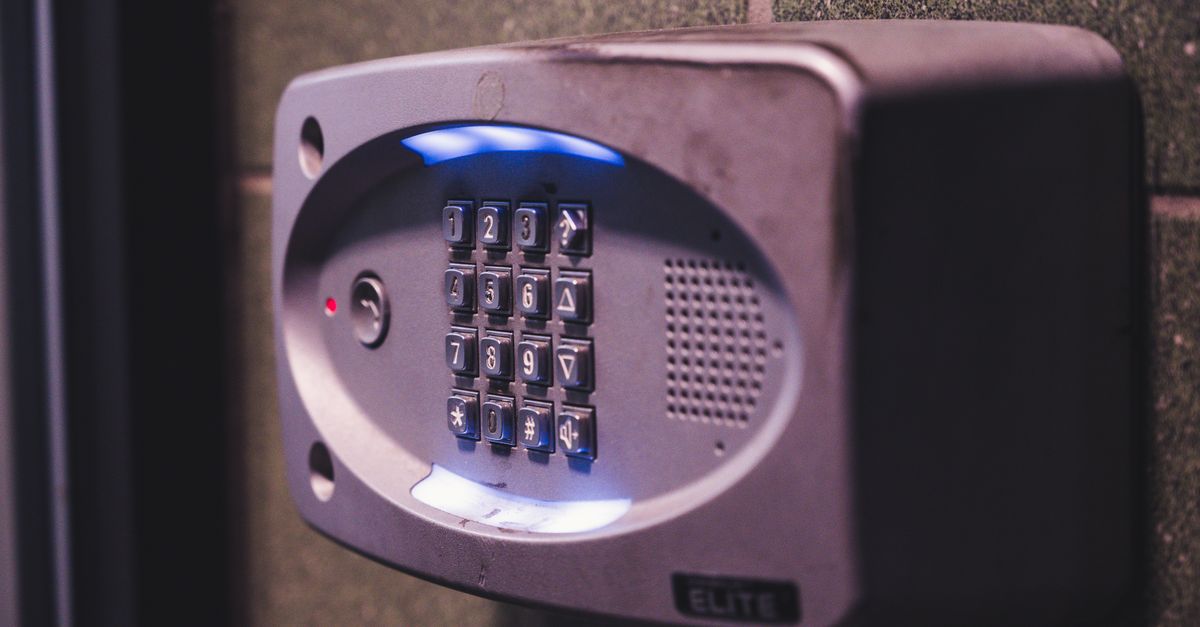
Whether you manage a single-door office suite off Burlington Pike or a multi-entry commercial building near the Florence Mall, our insured, experienced team handles the full scope of access control work: from selecting the right hardware to programming credentials and integrating with existing door hardware. We're available around the clock, including nights, weekends, and holidays, because access problems don't follow a business schedule. If you're ready to upgrade or troubleshoot your entry system, call us at (859) 217-6974 — we answer 24/7.
What we do
Available 24/7
Day, night, weekends and holidays — a real local locksmith answers and rolls a fully-stocked van.
Fast local response
Based in Florence, we reach the Florence area in well under an hour.
Insured & background-checked
Vetted technicians, up-front pricing, and no surprise add-ons when we arrive.
Damage-free entry
We pick and bypass locks the right way, so most lockouts are solved without drilling anything.
Access Control, Cards & Fobs: What a Professional Installation Actually Involves
A keycard or fob system is only as reliable as the hardware it's built around, and the most common — and most capable — foundation for a commercial-grade setup is the access control mortise lock. Unlike a standard cylindrical lockset that sits in a bored hole, a mortise lock body is recessed into a precisely cut pocket in the door edge, giving it far greater structural integrity and far more wiring pathways for electronic components. Our technicians assess the door material (solid core wood, hollow metal, aluminum storefront), the frame condition, and the existing prep before recommending a mortise or alternative platform — because the wrong choice on a busy Florence retail or office door leads to repeated service calls.
Programming is where most self-installed systems fall short. Adding a credential — a keycard, a fob, or a PIN — isn't just assigning a number. Trained technicians set access schedules (so a cleaning crew's fob works only between 6 PM and 9 PM, for example), establish credential hierarchies, and configure audit trail settings so you know exactly when each door was used. We walk you through the admin process before we leave, so your team can add or revoke credentials without calling us every time a card is lost.

Keypad, Card & Fob Systems We Install and Program — Beyond the Basic Kiosk Copy
You may have seen self-service key kiosks — often positioned inside large home-improvement or hardware retailers — that advertise copying access cards and fobs in minutes. Some of these kiosks can duplicate simple proximity cards, but they cannot program encrypted credentials, configure system-level access rules, or integrate a new fob with an existing access control panel. They also can't assess whether your door hardware is correctly aligned, whether your electric strike is drawing the right current, or whether your backup power will hold during a Kentucky ice storm. What a kiosk provides is a physical duplicate of an unencrypted card — what a professional access control system installation provides is an engineered, configured, maintainable security ecosystem.
Florence Locksmiths installs and programs the following — all performed on-site by mobile, insured technicians who come to your property: (1) Proximity keycard readers (125 kHz HID-compatible), (2) High-frequency smart card readers (13.56 MHz MIFARE/DESFire), (3) Key fob systems with encrypted rolling codes, (4) Standalone keypad deadbolts for interior offices, (5) Networked keypad controllers for multi-door management, (6) Access control mortise lock bodies with integrated card readers, (7) Electric strike installations on existing door frames, (8) Electromagnetic lock (mag-lock) installation with proper fail-safe/fail-secure configuration, (9) REX (request-to-exit) sensor integration, (10) Door prop alarm wiring, (11) Wiegand and OSDP reader installations, (12) Battery backup integration for continuous operation during power outages, (13) Time-zone and schedule programming, (14) Credential enrollment and deletion, (15) Audit log configuration and export setup, (16) Intercom-to-access-control integration, (17) Apartment and multi-tenant fob system setup, (18) Rekeying of mechanical override cylinders in electronic locks, (19) Access control system repair for malfunctioning readers or controllers, (20) Access control system replacement when aging panels become unsupported, (21) Keypad battery replacement and calibration, (22) Wireless Bluetooth and mobile-credential reader installation, (23) Commercial door knob lock replacement paired with electronic access, (24) Schlage and similar brand electronic mortise lock installation and programming, (25) Post-tenant-turnover credential purging and re-enrollment for property managers.

Access Control System Repair and Replacement: When to Call a Commercial Locksmith
Access control systems degrade in specific, recognizable ways — and catching them early saves significantly more than waiting for a complete failure. A reader that intermittently rejects valid cards is usually signaling a wiring issue, a damaged antenna, or firmware that needs updating. A mortise lock body that engages sluggishly is often a sign that the door has shifted (common in Florence's older commercial brick buildings, where seasonal temperature swings cause frame movement) and the latch or bolt is binding under load. An electric strike that buzzes constantly is drawing excess current and will eventually burn out its solenoid. Our technicians diagnose these symptoms directly at your door — no guessing, no parts swapped unnecessarily.
When a panel or reader reaches end-of-life — either because the manufacturer has discontinued support or because it can no longer handle modern encrypted credentials — access control system replacement is the right call. We help you transition to new hardware without losing your door hardware investment where possible; in many cases, the mortise lock body, electric strike, or mag-lock can be retained while only the reader and controller are swapped. If you're experiencing repeated failures or a system that's simply not holding credentials reliably, call (859) 217-6974 and one of our technicians will assess the situation on-site, explain the options clearly, and give you an exact price before any work begins.

How Pricing Works for Access Control Installation Near Florence, KY
Access control work varies widely in scope, so we don't publish flat rates — and any quote you see online without knowing your door type, hardware condition, number of credentials, and wiring requirements isn't a real number. The factors that shape your final price include: the type and brand of hardware selected (a standalone keypad deadbolt and a networked multi-reader system with a mortise lock body are entirely different scopes), the condition of the existing door prep and frame, the number of doors or entry points involved, the time of day for emergency or after-hours calls, travel distance to your location, and whether new wiring, power supplies, or conduit runs are needed. We confirm an exact, agreed-upon price before any work begins — no surprises on the invoice. After-hours and emergency calls may carry a service fee that reflects the availability of our technicians at those hours, and we're transparent about that before we dispatch.

Frequently asked questions
Answers to what our customers ask most. Still unsure? Just call.
What is the difference between an access control mortise lock and a standard electronic deadbolt?+
A standard electronic deadbolt uses a cylindrical body that fits into a bored hole in the door — it's simpler to install but more limited in terms of wiring capacity and structural strength under heavy use. An access control mortise lock is recessed into the door edge in a precisely routed pocket, which gives it more internal space for motor-driven bolts, wiring terminals, and integrated reader hardware. Mortise bodies are the standard on commercial doors in Northern Kentucky's office and retail buildings because they handle thousands of daily cycles without the wear that degrades cylindrical locks far sooner. If your door already has a mortise pocket, upgrading to an electronic mortise system is often cleaner and stronger than switching to a deadbolt-style device.
Can you program a new keycard or fob to replace one that was lost without reprogramming every other card in the system?+
Yes — in properly configured access control systems, each credential has its own unique identifier in the panel's database. When a card or fob is lost, we delete that specific credential from the system (so it immediately stops working at any reader it was enrolled in) and enroll a new credential in its place. Other users' cards and fobs are completely unaffected. This is one of the core advantages of a managed access control system over a mechanical master-key setup, where a lost key often means rekeying every lock it opened. We can perform credential deletion and re-enrollment remotely on networked systems or on-site for standalone panels.
How much does an access control system installation near me cost, and is there a call-out fee?+
We don't publish prices because the scope of access control work varies too much for a meaningful number without knowing your specific situation — door count, hardware type, wiring requirements, and whether it's a standard-hours or after-hours call all affect the total. What we do is assess your setup on arrival, explain exactly what's involved, and give you a confirmed price before any work starts. For after-hours and emergency calls, a service fee applies that reflects technician availability at those hours — we tell you that fee upfront when you call, before we dispatch, so there are no surprises. Call (859) 217-6974 and we can talk through your situation.
My access control system stopped working after a power outage — is this an access control system repair job or a full replacement?+
It depends on what failed. A power outage can damage a panel's power supply, corrupt firmware, or — if there's no battery backup — leave the system in an undefined state when power returns. In many cases, a power supply replacement or a firmware reload restores full function without touching the door hardware. If the panel itself was damaged, we evaluate whether the hardware is still supported by the manufacturer before recommending repair versus access control system replacement. Replacing a panel while keeping intact door hardware (electric strikes, mortise lock bodies, readers) is often possible and reduces the overall scope significantly. We diagnose on-site and explain the options before recommending anything.
What happened to my access card — why does it stop working near other cards or devices?+
Proximity cards and fobs can be deactivated or damaged by strong magnetic fields, which are surprisingly common: magnetic phone cases, refrigerator magnets, and even proximity to other RFID cards in a wallet can corrupt or interfere with low-frequency credentials. High-frequency smart cards (the 13.56 MHz type used in more modern systems) are more resilient but can still fail if the card's chip or antenna is physically cracked — often from being sat on or carried in a back pocket. If your card was working and suddenly stopped, the first step is presenting it to a reader while isolated from other cards; if it still fails, it likely needs to be deleted from the panel and replaced with a newly enrolled credential.
Do you handle access control system installation for apartment buildings and multi-tenant residential properties in Florence?+
Yes — multi-tenant residential is one of the more common access control requests we handle in Florence, particularly for buildings along the U.S. 42 corridor and near the Boone County commercial zones. Apartment and condo setups have specific requirements: fobs or cards need to be enrolled per unit, common areas like gyms and mail rooms often need separate access schedules, and the system needs to be easy for property managers to administer as tenants turn over. We configure the system so that management staff can add and revoke credentials independently after handoff, and we set up audit logging so there's a record of entry events. Call (859) 217-6974 to discuss your property's specific layout and we'll come out to assess.